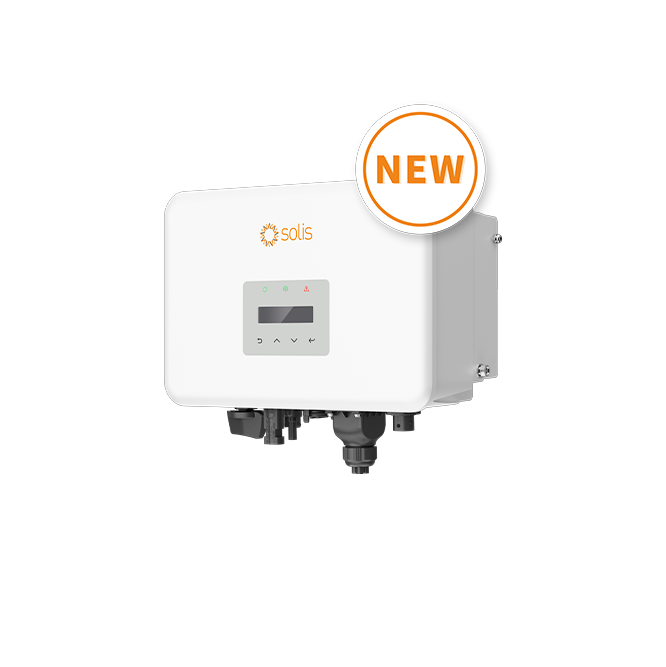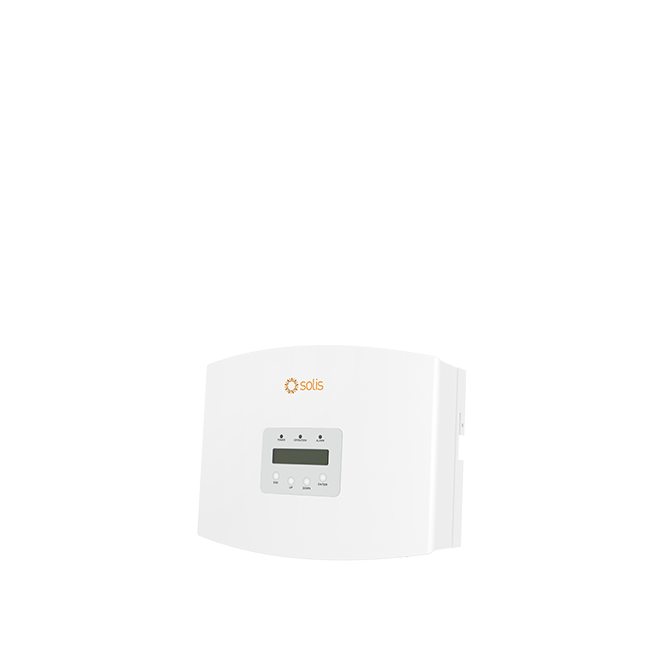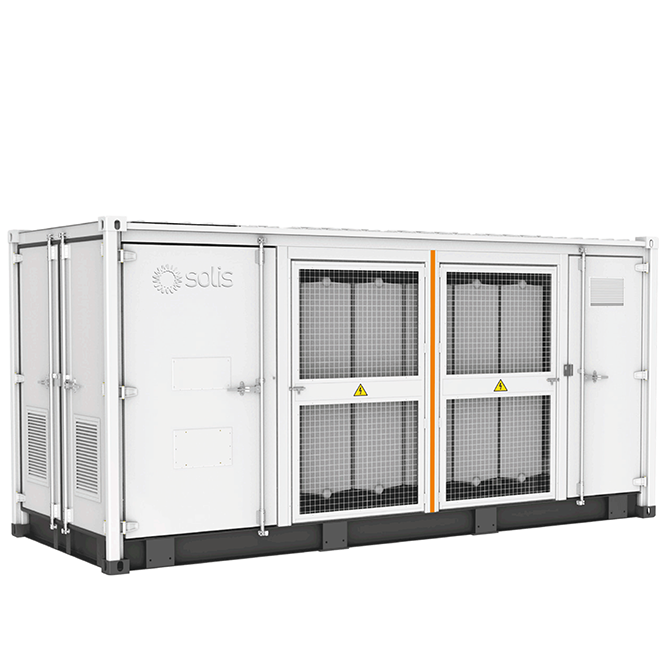
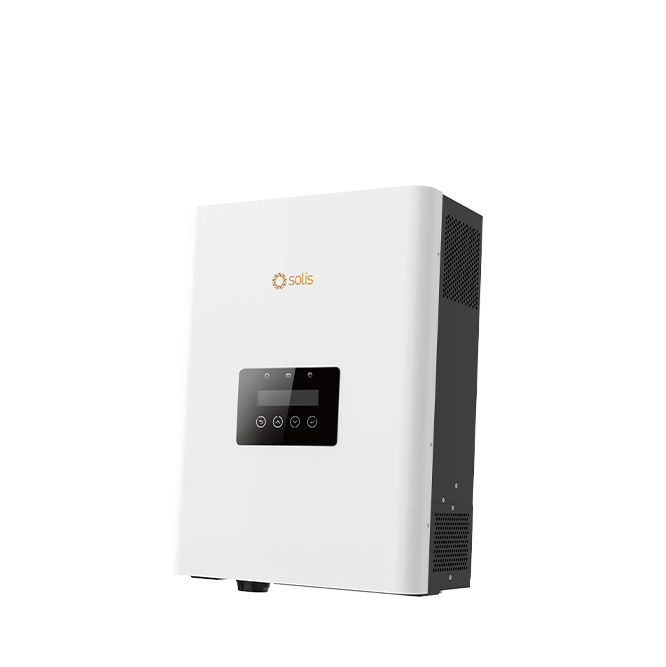
 S6-EO1P(4-6)K-48
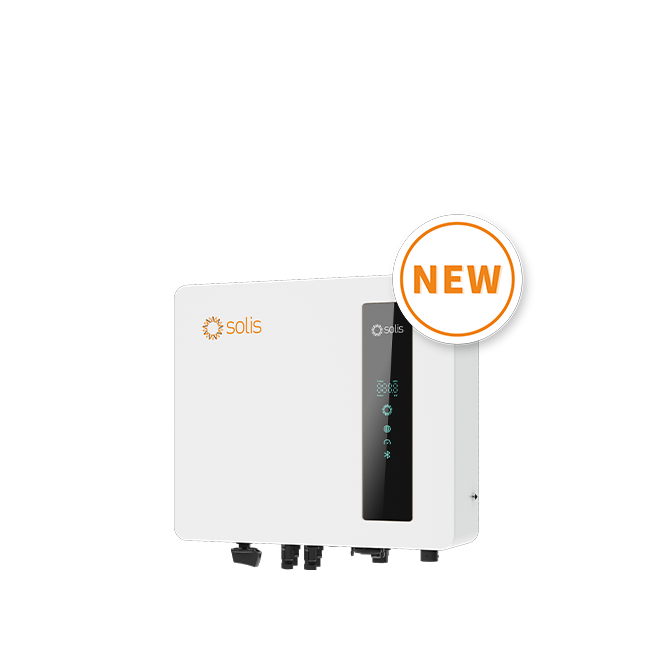
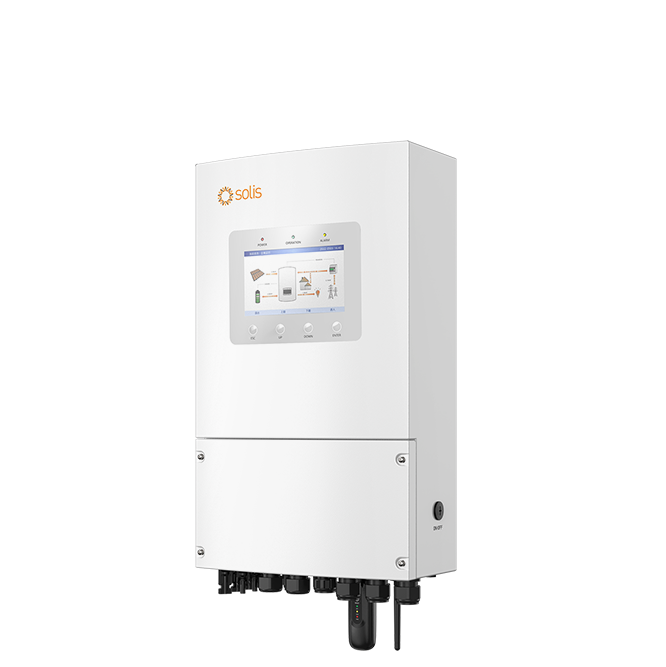 S6-EH1P(3-10)K-L-PLUS
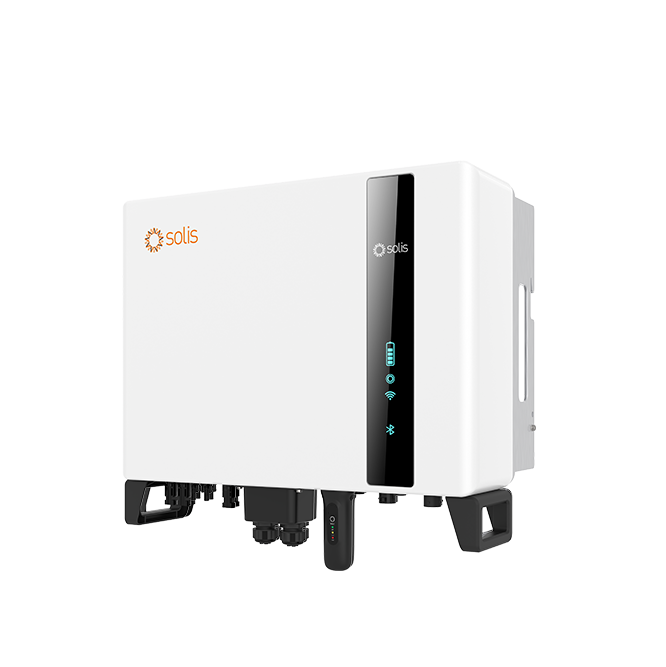 S6-EH3P(5-12)K-H
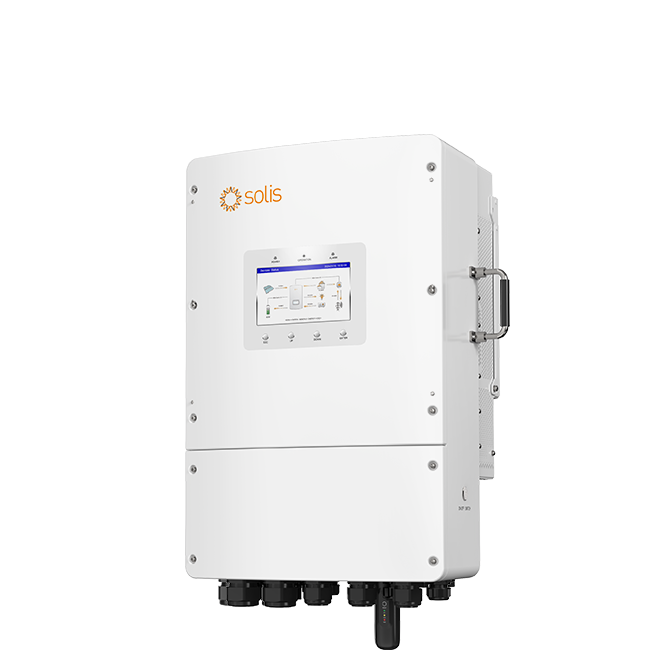 S6-EH3P(8-18)K02-NV-YD-L
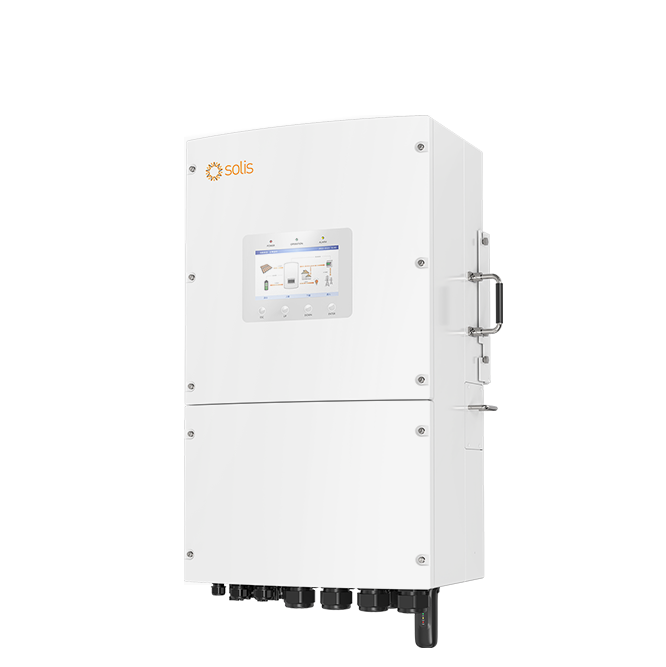 S6-EH1P(12-18)K03-NV-YD-L
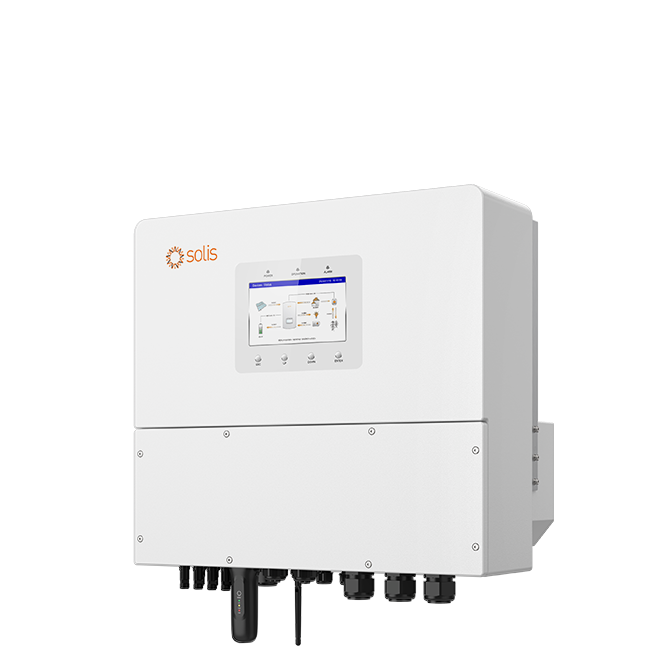 S6-EH3P(15-20)K-H
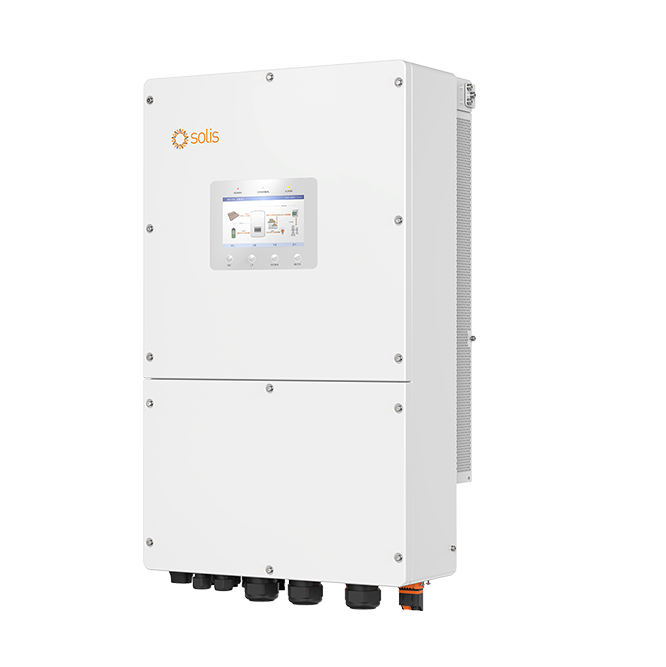 S6-EH3P(30-50)K-H
 S6-EH3P(30-60)K-H(21A)
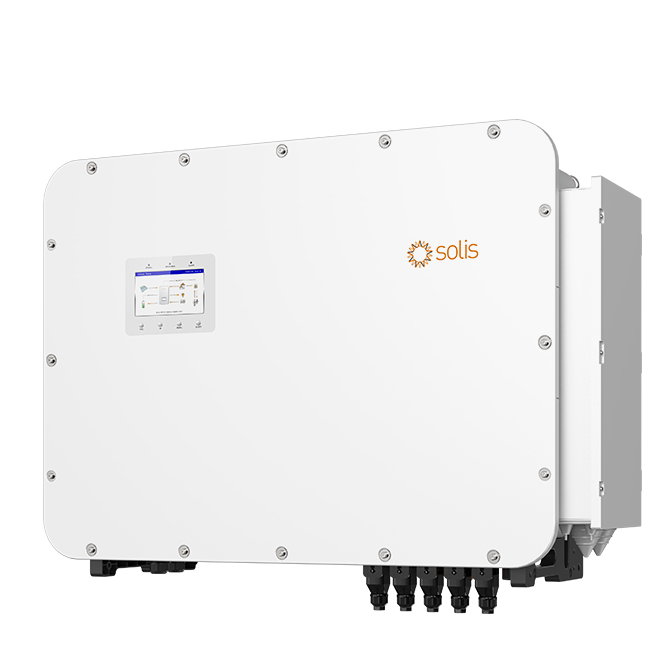 S6-EH3P(80-125)K10-NV-YD-H
 中国
中国
 India
India
 Việt nam
 Australia
 대한민국
대한민국
 پاکستان
 ประเทศไทย
 Filipino
 Malaysia
 Bangladesh
 Sri Lanka
 Indonesia
 Узбекистан
 Ireland
 Česká republika
 Türkiye
 United Kingdom
 France
 Deutschland
 Nederland
 España
 Sverige
 Italia
 Polska
 Україна
 Português
 България
 Magyarország
 Lietuva
 Ελλάδα
 Suomen tasavalta
 United States
 Canada
 México
 Brasil
 República de Chile
 South Africa
 المملكة العربية السعودية
 الجمهورية اللبنانية
 امارات عربية متحدة
 اليمن
اليمن
 المملكة الأردنّيّة الهاشميّة
 جمهورية مصر العربية
 la République Tunisienne
 Kenya
Kenya
 Tanzania
 Nigeria
 Other Countries and Regions
INTRODUCTION
. With labor costs increasing year by year and national photovoltaic subsidies gradually decreasing across the world so the pressure on the investment cost of photovoltaic power plants has increases.. The use of aluminium alloy cables in a solar project can greatly reduce the cost pressure for investors, and can effectively help photovoltaic grid parity.
This episode of the Solis Seminar will take a look at the application of aluminium alloy cables in industrial and commercial solar pv systems.
PART 1 -Cables in Solar PV Systems
The cables used in photovoltaic power plants are divided into DC cables and AC cables.
DC cables are used to connect modules to modules and modules to inverters. Since most DC cables are outdoors, requirements for cables are stricter. They must have strong weather corrosion and abrasion resistance, and high insulation as well as other safety characteristics. Commonly used special DC cables for photovoltaic certification are PV1-F 1*4mm² or PV1-F 1*6mm².
AC cables are used between the inverter and the combiner box, and to connect the combiner box to the grid-connected meter. Most projects use copper or aluminium wire.
Is it better to choose copper wire or aluminium wire?
PART 2 - Is Copper or Aluminium Wire Better?
① From the Perspective of Basic Characteristics.
| Comparison item | Copper wire | Aluminium wire | Note | Conclusion |
| Bending radius |
15 times the cable outer diameter
|
7 times the cable outer diameter
|
The use of aluminium alloy cables can reduce the layout space, easier to lay, and reduce installation costs
|
Aluminium is better
|
| Rebound performance | high | 40% lower than copper | Aluminium alloy cable is easy to bend and form | Aluminium is better |
| Armored protection | Steel tape armor | With interlocking armor | The aluminium alloy cable adopts high-strength aluminium-magnesium alloy tape armor, which has better lateral pressure resistance and better heat dissipation. | Aluminium is better |
| Anti-fatigue |
good
| 25% higher than copper cable | The fatigue resistance of aluminium alloy cables is 25% higher than that of copper cables | Aluminium is better |
| weight | heavy | light | The weight of the aluminium alloy cable of the same diameter is only one-third of the copper cable, saving accessories and transportation costs | Aluminium is better |
| Corrosion resistance |
Just so so
| good | Under the same external conditions, the metal loss rate of aluminium alloy cables is much lower than that of copper cables, and the corrosion resistance is better. | Aluminium is better |
| Malleability | 30% |
18%
| The elongation rate of electrical copper is over 30%, while aluminium alloy is only 18% | Copper is better |
| Melting point |
1083℃ | 660℃ | Our national fire protection requires that the melting point is not lower than 850℃, so it cannot be used in fire protection cables | Copper is better |
| Conductivity | 100% IACS | 62% IACS | The cross-section of the aluminium alloy cable is enlarged by 1.5 times, and the conductor resistance is equivalent | Copper is better |
② From the Perspective of Solar PV System Design
From the perspective of system design, the selection of the cable should meet the following requirements:
1) The current carrying capacity: Generally, it will be affected by factors such as the main body material section of the cable, the laying operation method, and the environment.
2) Cable loss: AC cable loss is not allowed to exceed 3%, and the general requirement is not to exceed 2%
3) Cable voltage drop: According to GB/T 50797 "Photovoltaic Power Plant Design Specification", the AC voltage drop should not exceed 3%, and the general requirement is not more than 2%.
From the perspective of system design, the system solution only needs to meet the requirements of current carrying capacity, cable voltage drop and line loss, and the choice of copper or aluminium cable is irrelevant.
③ From an Economic Point of View Take the Solis-110K-5G inverter as an example, the maximum output current of the inverter is 183.8A, which is laid on a bridge. The calculation formula of the line voltage drop is as follows:
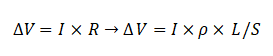
I: the cable needs to withstand the maximum cable-A
L: the length of the cable laying-m
S: the cross-sectional area of the cable-mm²
ρ: the conductor resistivity Ω*mm²/m, r copper = 0.0175, r aluminium = 0.0283
For example, taking a 1MW PV power plant as an example, if eight Solis 110kW inverters are used, the distance between the inverter and the grid connection point is about 120 meters. Solis 110kW inverters support no neutral line output. For this we will use copper wires and aluminium wires to calculate separately. Copper core wires need 3×95mm², and aluminium core wires need 3×150mm².
According to the centralized procurement quotation of a domestic Chinese cable manufacturer:
ZRC-YJV22-3×95mm² unit price: US$25.4/m;
ZRC-YJHLV22-3×150mm² unit price: US$9.7/m.
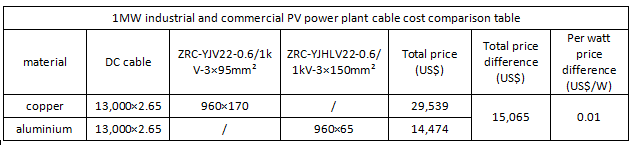
Note: The cost may vary for different projects and wires. This data is for reference only.
As shown in the above table, the use of aluminium alloy cables can save about US$0.15 million in total cable costs and US$0.01 per watt for each installation of 1MW PV power plant.
④ From the Perspective of Construction Copper and aluminium alloys have different metal characteristics. If they are in direct contact, there will be a potential difference. Electrochemical corrosion will occur in moist air, which will increase the contact resistance and heat the joints; a hidden danger to the safe operation of a solar pv system. Therefore, when aluminium core cables are used in the project, Copper-Aluminium transition terminals are required. Common Copper-Aluminium transition terminals are shown in the figure below:
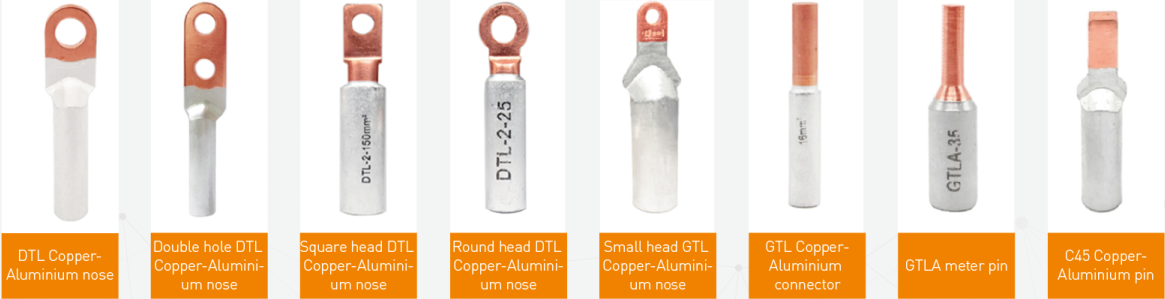
In the production of cable heads, whether copper cables or aluminium alloy cables, the crimping of AC cable heads needs to be done by hydraulic pliers. Compared with copper core cables, aluminium alloy cables have a thicker wire diameter, which is slightly more difficult to construct, but the weight of the cable is lighter, and simpler to lay.
Points to Note
Attention should be paid to the bending radius of the cable during construction. If the bending radius of the cable exceeds the specified requirements, it will cause damage to the cable insulation and the insulated core.
After long-term use, the cable core sheath on the back is prone to fatigue, which will reduce the use of the cable life. Because some cables must pass through the cable duct or bridge before entering the equipment, and if the bending radius of the cable duct or bridge is larger, the complexity of construction will increase.
PART 3 Conclusion
In summary, the cost advantage of using aluminium alloy cables for photovoltaic power plants is great, and more people will choose aluminium alloy cables in the future. As an inverter supplier, Solis suggests the following precautions:
● The current-carrying capacity of the cable is recommended to be between 1.25 and 1.5 times the maximum current;
● Industrial, commercial and ground PV plants can utilise aluminium alloy cables to optimize the cost of low-voltage side AC cables;
● Aluminium alloy cables are not recommended for residential solar power installations;
● If the on-site terminal is converted from copper to aluminium, be sure to take measures to seal the terminal and prevent leakage;
● Pay attention to the selection of the circuit breaker in the distribution box to avoid the inaccessibility of aluminium alloy cables.

پہلی بار جنلانگ کی تازہ ترین خبریں حاصل کریں
Asia/Pacific
Europe
North America
South America
Middle East and Africa
Other Countries and Regions