
 中国
 India
 Việt nam
 Australia
 대한민국
 پاکستان
 ประเทศไทย
 Filipino
 Malaysia
 Bangladesh
 Sri Lanka
 Indonesia
 Узбекистан
 Ireland
 Česká republika
 Türkiye
 United Kingdom
 France
 Deutschland
 Nederland
 España
 Sverige
 Italia
 Polska
 Україна
 Português
 България
 Magyarország
 Lietuva
 Ελλάδα
 Suomen tasavalta
 United States
 Canada
 México
 Brasil
 República de Chile
 South Africa
 المملكة العربية السعودية
 الجمهورية اللبنانية
 امارات عربية متحدة
 اليمن
 المملكة الأردنّيّة الهاشميّة
 جمهورية مصر العربية
 la République Tunisienne
 Kenya
 Tanzania
 Nigeria
 Other Countries and Regions
Explore how Solis grid-tied and hybrid inverter options can help Thai homeowners and installers build solar systems around everyday energy needs.
Thailand's residential solar market is entering a new chapter. As the country advances its People's Solar initiative, more homeowners are exploring how solar can help them manage electricity costs and make better use of clean energy.
In September 2026, Thailand’s National Energy Policy Council approved the expansion of the programme's framework from 5,000MW to 10,000MW. The announced net-billing approach prioritises solar self-consumption, with surplus electricity purchased at THB 2.20/kWh, an export sales capacity limit of 5 kW per electricity meter and a purchase agreement period of 20 years.
A separate proposal to provide eligible households with an installation subsidy is also progressing. As of 26 October 2026, it remained subject to Cabinet approval, with registration dependent on that approval. Homeowners and installers should check the final programme requirements before proceeding with an application.
For households considering solar, these developments bring an important question into focus: which system best matches the way their home uses electricity?
Start with your home's energy needs
In conversations with local installers, two common residential package sizes stand out: 5kW and 10kW.
Choosing between them starts with more than available roof space. Electricity consumption, daytime loads, the home’s single-phase or three-phase connection, and plans for battery storage all influence the right design.
A household that uses much of its electricity during daylight hours may benefit from a grid-tied system that supplies solar power directly to everyday loads. A household with significant evening consumption may also consider a hybrid system with compatible batteries to store solar electricity for later use.
Solis offers both grid-tied and hybrid inverter options at 5kW and 10kW, giving installation partners flexibility to develop packages for different household requirements.
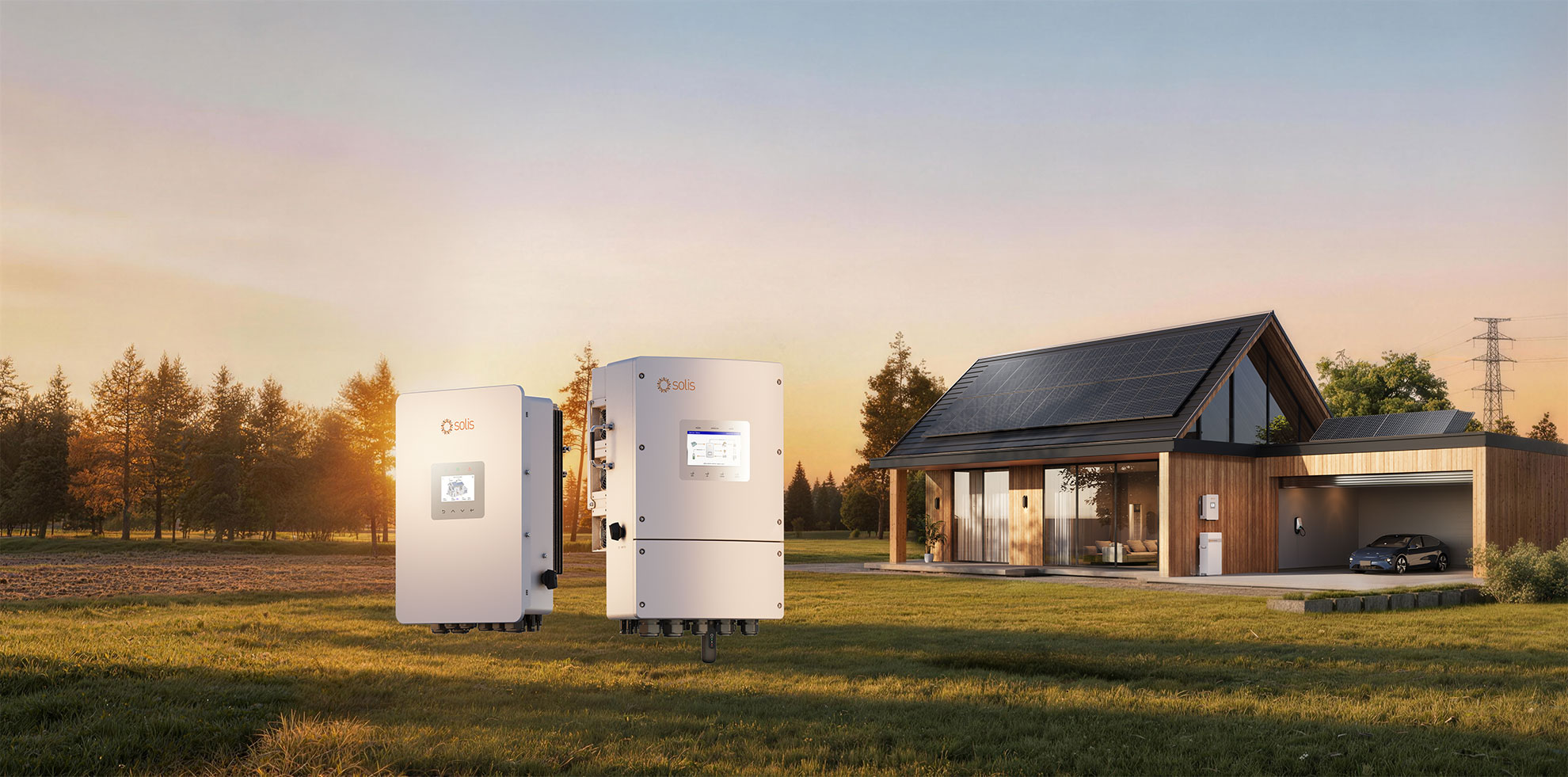
5kW: Solar for everyday living
For homes with moderate electricity demand and suitable installation conditions, a 5kW package can offer a practical starting point.
During the day, solar generation can help supply appliances such as air conditioners, refrigerators and washing machines. Matching these loads with solar production helps households use more of the electricity they generate and reduce purchases from the grid.
Solis' 5kW grid-tied inverter options include:
Single-phase: Solis S6-GR1P5K-S
Three-phase: Solis S5-GR3P5K
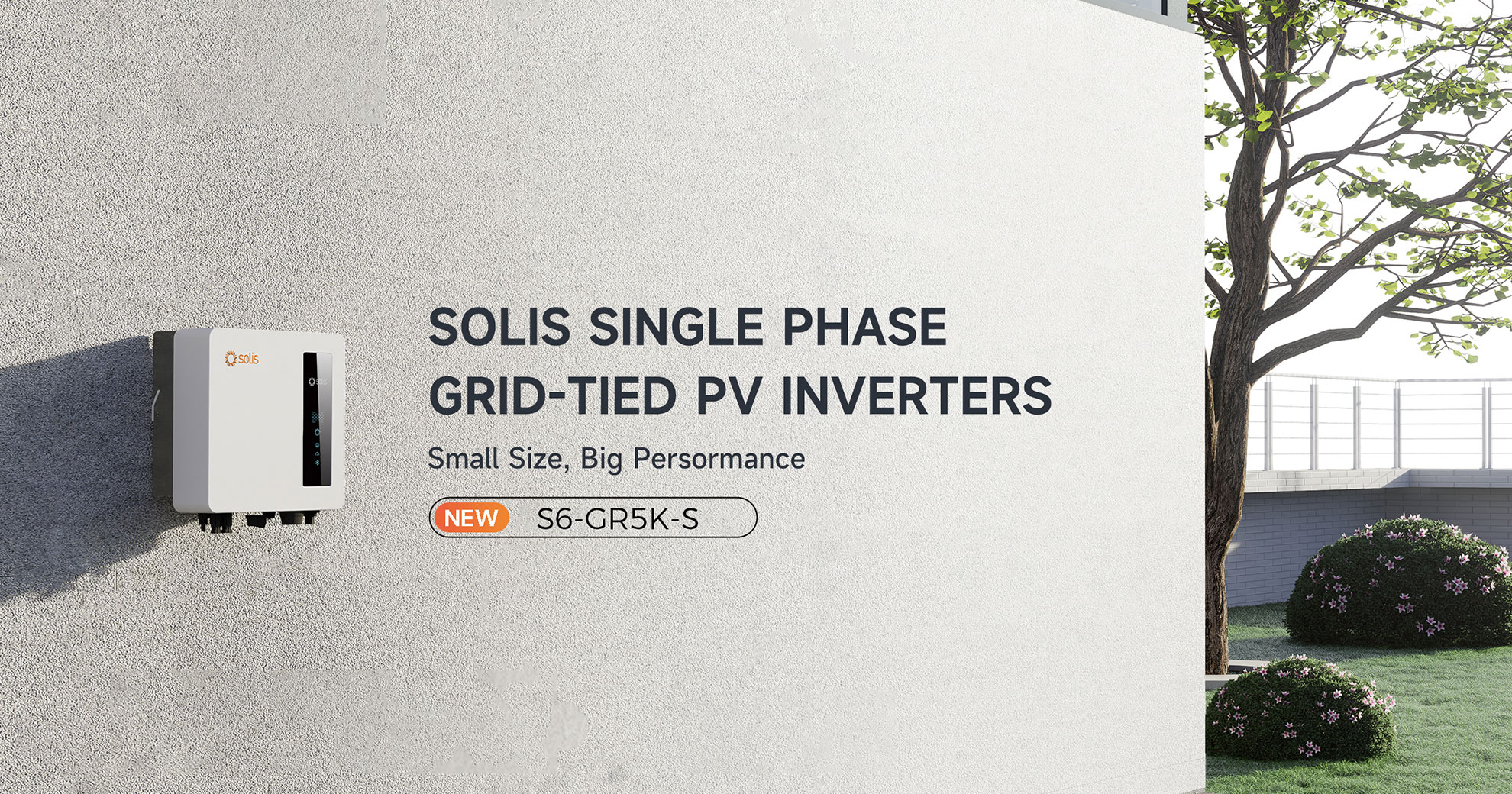
10 kW: Supporting higher household demand
Homes running several air conditioners, supporting home offices or charging an electric vehicle may have greater electricity requirements. Where consumption, installation space and connection conditions support it, a 10kW package may be an appropriate choice.
Solis' 10 kW grid-tied inverter options include:
Three-phase: Solis S6-GR3P10K02-NV-ND
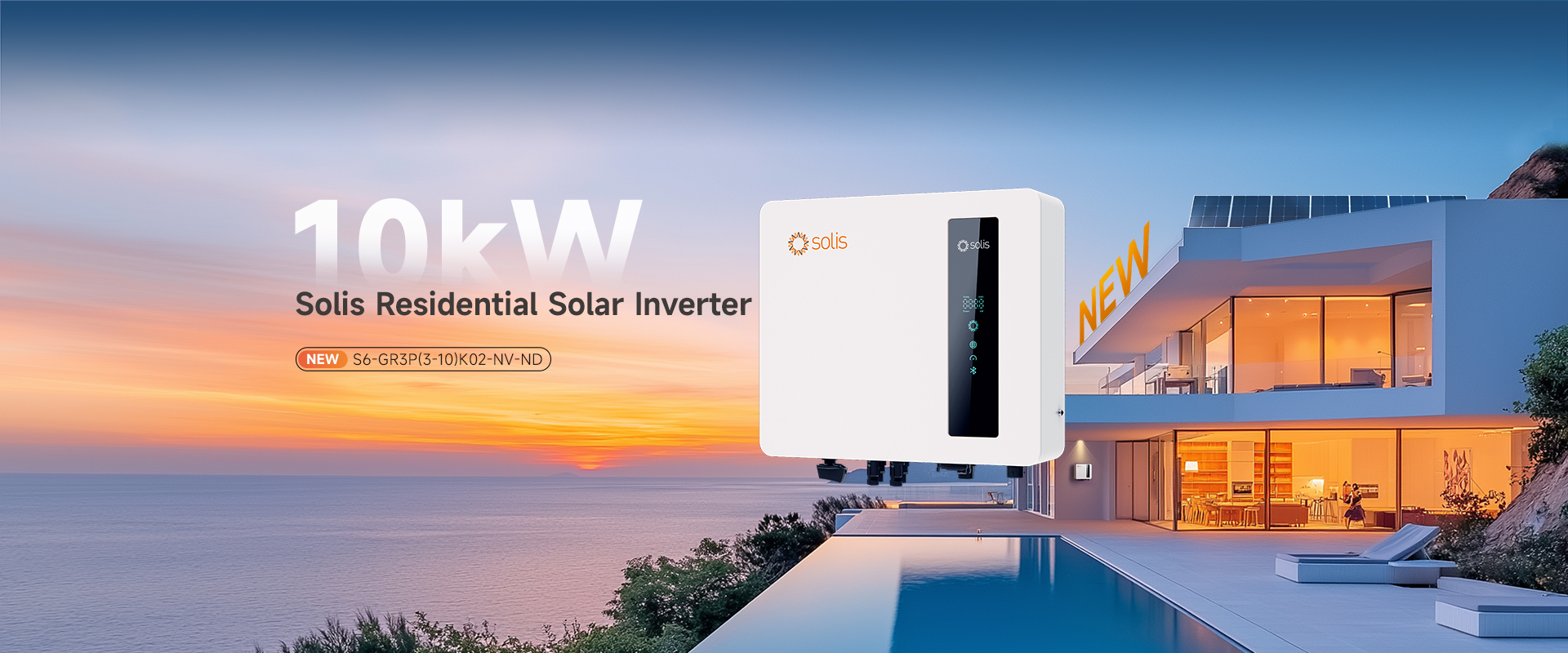
For households seeking to combine solar generation with battery storage, Solis' 10 kW hybrid options include:
Single-phase: Solis S7-EH1P10K02-NV-YD-L
Three-phase: Solis S6-EH3P10K02-NV-YD-L
A larger system should still be sized around actual household demand. A 10kW installation does not mean that 10kW can be sold to the grid under the announced programme: the stated surplus sales capacity limit is 5 kW per meter. Self-consumption and the applicable utility connection arrangements therefore remain essential considerations.
Grid-tied or hybrid: How do you choose?
Both approaches can support home solar, but they serve different priorities.
A grid-tied system is suited to homeowners focused on generating electricity for daytime use, with eligible surplus exported according to local utility arrangements.
A hybrid system with compatible batteries adds the ability to store solar electricity for later use. This can be valuable for households whose consumption continues into the evening or that want to increase solar self-consumption.
For homeowners considering backup power, the design requires additional attention. Available backup power and duration depend on the inverter model, battery power and capacity, selected loads, and installation configuration. Installers should identify essential circuits and assess their requirements before specifying the system.
Build the complete package carefully
A residential solar package brings together several components: PV modules, an inverter, mounting structures, electrical protection, monitoring and any metering or export-control equipment required by the utility. A hybrid package also requires compatible batteries and the appropriate system configuration.
It is useful to distinguish three specifications:
● PV array capacity, expressed in kWp, describes the total rated DC power of the installed solar modules.
● Inverter AC output, expressed in kW, describes the inverter’s rated output power.
● Battery energy capacity, expressed in kWh, describes how much energy the battery can store.
For projects designed around the locally advised 5-10kW range on both the AC and DC sides, installers should check the inverter’s rated AC output and the total installed PV array capacity separately against the final programme rules. An inverter’s ability to accept additional PV capacity should not be taken as confirmation that a larger array qualifies for the scheme.
Local equipment approval, grid-connection requirements and product availability should also be confirmed for each project.
Take the next step with Solis
Thailand’s evolving residential solar framework is creating greater interest in home energy choices. Turning that interest into a successful installation starts with understanding the customer’s daily routines and selecting equipment that fits.
With 5kW and 10kW options across single-phase and three-phase grid-tied and hybrid inverters, Solis gives installation partners a range of choices for developing suitable residential packages-from daytime solar use to solar-plus-storage systems.
Contact the Solis team to explore the right inverter options for your next residential project.
Programme participation and equipment eligibility remain subject to final government and utility requirements.
2026-10-30 17:15:00.0

Get the latest news of Ginlong at the first time
Asia/Pacific
Europe
North America
South America
Middle East and Africa
Other Countries and Regions